
Why Different Accounts of the Same Accident Can Create Legal Questions

Accidents can produce varying accounts of events, particularly when several people witness the same event from different positions or perspectives. Differences in memory, attention, timing, and personal interpretation can lead individuals to share the same sequence of events in ways that don’t fully match. A Chicago Personal Injury Lawyer may need to consider these differing accounts when assessing how an accident occurred and what evidence supports each version. Witness statements, photographs, records, and other documentation can become important when details conflict. These differences do not automatically mean that one account is inaccurate, but they can create questions about responsibility and causation. Understanding why accounts diverge helps explain how seemingly straightforward accidents can raise complex legal issues.
How Timing Can Affect Different Accounts
An accident can unfold within only a few seconds, making the precise timing of events difficult to establish. An individual may remember an action occurring before another event, while another witness may describe the order differently. Small differences matter when determining how an accident developed. The timing of braking, turning, impact, warnings, or other actions may influence how responsibility is considered. Consequently, apparently minor disagreements can raise broader questions about which account most accurately reflects what occurred.
Why Perspective Can Change What Someone Observes

Physical position can strongly influence what a person can see during an accident. A driver, pedestrian, passenger, or nearby witness may see the same moment differently. Obstructions, lighting, traffic, weather, and surrounding activity can further limit visibility. One person may therefore observe a movement that another person could not see at all. Legal questions can arise when these differing observations lead to conflicting descriptions of the circumstances surrounding the accident.
How Evidence Can Clarify Conflicting Accounts
When accounts differ, other evidence can provide context. Photographs, videos, physical damage, documents, measurements, and other records may help establish details that individual recollections cannot reliably determine. The relevance of each piece of evidence depends on the circumstances and what it can demonstrate about the event. Rather than automatically accepting one person’s version, the court can examine the overall evidence to determine how different accounts align with independently observable information.
Why Inconsistencies Can Matter Legally
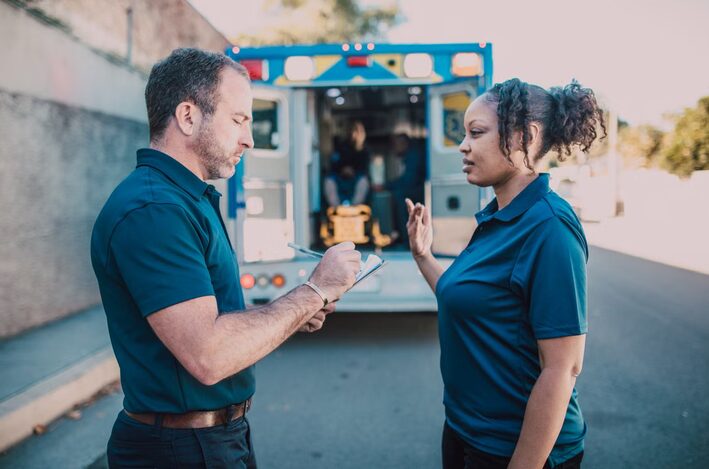
Significant inconsistencies can create questions about credibility, sequence, responsibility, or the reliability of particular details. The importance of an inconsistency often depends on what part of the accident it concerns and whether other evidence supports or contradicts it. A minor difference about an unimportant detail may matter little, while conflicting descriptions of a central event may require closer examination.
Different accounts of the same accident can create legal questions because people experience events from different perspectives and may remember timing, movement, and surrounding circumstances differently. These differences can become important when determining what actually occurred and how responsibility should be assessed. Independent evidence can provide context for evaluating conflicting descriptions, while inconsistencies may affect the reliability of particular accounts depending on their significance. Understanding why accounts differ helps explain why accident-related legal questions often involve more than simply comparing one person’s statement with another’s.
…